
Data Report
Sovereignty at Sea: Why Nigeria must reclaim control of its Maritime risk
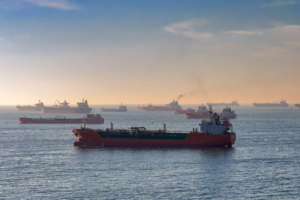
At the start of the conflict in the Persian Gulf in March 2026, the reinsurers underwriting the P&I clubs’ charterers’ liability books invoked their contractual right to withdraw cover for Gulf-related claims on seventy-two hours’ notice. With no alternative sources of capital for these books, the clubs had no choice but to issue cancellation notices to their members. Club leaders privately described their reinsurers’ position as a reflex they could not resist. Much of the reporting at the time framed this as insurers abandoning shipping, and the framing was inaccurate in an instructive way. A decision taken several layers above the clubs, by capital providers most shipowners will never meet, determined overnight what cover existed, for whom, and at what price.
Read MoreWhy Nigeria Needs to Become a Maritime Insurance Hub in West Africa
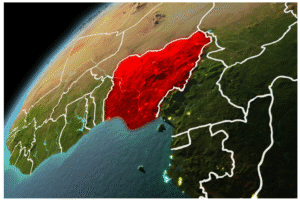
Nigeria is the maritime backbone of West Africa. Its coastline stretches over 850 kilometres and is home to strategically located ports including Apapa, Tin Can Island, Port Harcourt, Onne, Calabar, and Warri. Collectively, these ports handle the majority of regional maritime cargo traffic. In 2022, Nigeria’s ports handled a substantial number of vessel calls, with cargo throughput among the highest in West Africa. This is not an abstract volume; it represents concentrated economic activity dependent…
Read More